Walshy Fire uses the latest Wha’ Gwaan Munchy?!? conversation to examine dancehall’s flyers, presentation and the responsibility that comes with representing the culture. He also discusses his forthcoming book, Art of Dancehall.

Walshy Fire brought a historian’s eye to episode 87 of Wha’ Gwaan Munchy?!?, moving beyond the usual talk of records and performances to focus on how dancehall presents itself. The Major Lazer member spoke about the power of imagery in the digital era, where an artist’s visual identity can shape audience response as quickly as the music. His comments connected branding to a deeper question: how can a culture with such a rich archive keep its character intact while reaching listeners across the world?
Much of the discussion turned to the flyers that helped give dancehall its look. Walshy singled out Denzil “Sassafras” Naar, whose distinctive lettering became part of the genre’s visual language. In Walshy’s telling, those flyers were never disposable advertising. They recorded line-ups, places, moods and moments, preserving evidence of a scene that continued to move through difficult periods. That history sits at the centre of Art of Dancehall, his forthcoming book, which he described as an effort to document the people and design traditions behind the music.
The conversation also addressed the fallout from stage props used at Reggae Jam. Walshy treated the controversy as a lesson in judgment and presentation rather than something to dismiss, stressing that artists and event organisers are watched closely once images reach social media. The point was not simply that performances need spectacle, but that spectacle carries meaning. What appears harmless in one setting can read very differently to an audience familiar with dancehall’s history, symbols and long-running debates about representation.
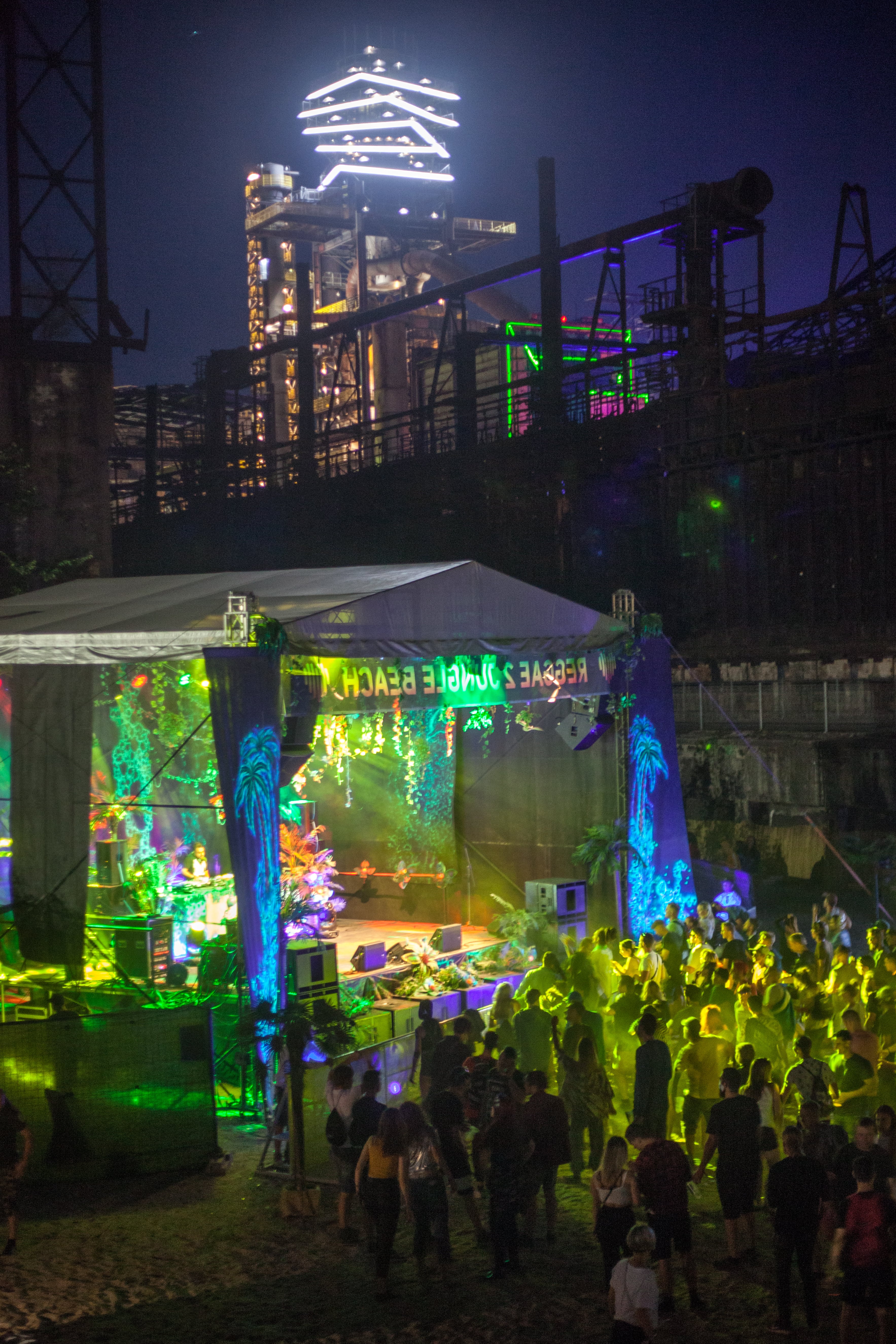
Diplo, Walshy’s Major Lazer collaborator, briefly joined the conversation with a shout-out that underlined the music’s international reach. The episode also included live footage from Rototom Sunsplash in Benicàssim, Spain, where Charly Black brought energy to the dancehall stage. Those festival moments gave the discussion a useful counterweight: Walshy was talking about archives and responsibility, while the footage showed the music still working in real time, in front of a crowd outside Jamaica.
Walshy’s personal memories of dancehall flyers helped tie the episode together. For him, the artwork carries more than information about a party; it points back to the places, people and stages that shaped his route through the culture. That perspective makes the interview feel less like a branding discussion and more like an argument for preservation. Dancehall’s visual record, from hand-built lettering to festival imagery, remains part of the music’s story—and part of the reason its past can still speak to a global audience.