Runkus’s ‘Supernova’ moves between dancehall wit, Rastafari consciousness and sharp commentary on conflict, ownership and power. In the interview behind the project, he explains how a conversation with visual artist Tavares Strachan helped shape the album’s cosmic frame.
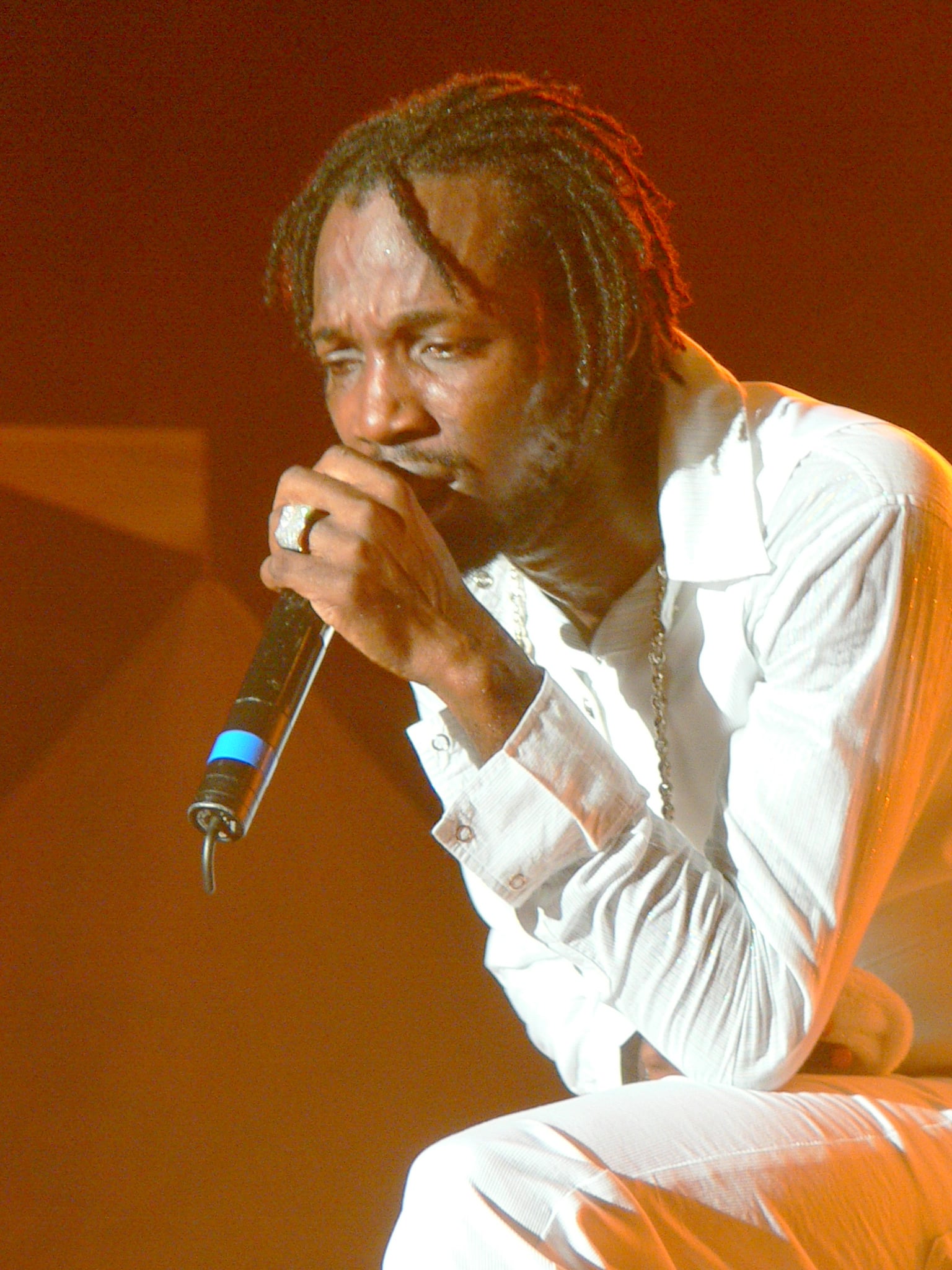
Runkus does not treat ‘Supernova’ as a collection of disconnected songs. The album is built as a transmission, with its ideas linked by a belief that creation, art and music speak to one another. It opens with an excerpt from a conversation between visual artist Tavares Strachan and Paul Holdengräber, a choice Runkus explains in the interview as a statement of connectedness. That voice sets the temperature before the riddims arrive: spiritual, questioning and alert to the relationship between what people make, what they destroy and what they leave behind.
The opening track takes its energy from dancehall while refusing to stay in a purely celebratory lane. Runkus reaches for sound clash language, references Lt. Stitchie and folds in the “Leggo di bird” dance move, giving the song a familiar yard vocabulary. Then the lyrics widen their focus to the Israel-Palestine conflict and Donald Trump. The effect is deliberately unsettled. Humour pulls the listener close, but the subject matter asks for more than a quick rewind or a dance-floor response.
That balance between levity and confrontation is central to Runkus’s method. As he explains in the interview, he uses references people recognise to open space for harder conversations. His Rastafari outlook informs the critique, particularly his resistance to the idea that land, life and creation can be reduced to private property or profit. The point is not to turn the music into a lecture. It is to make serious questions ride inside accessible language, where a joke, a clash reference or a sharp line can carry further than a sermon.
Runkus also frames music as a possible alternative to violence. His comparison is simple but pointed: if conflicts were treated like sound clashes, the arguments could be fierce without anyone being hurt. That image gives ‘Supernova’ one of its clearest principles. Competition, expression and release can exist without bloodshed. Beneath the cosmic language, the album keeps returning to a grounded concern with how people live together, how power is used and whether love can interrupt the habits that keep producing suffering.
Strachan’s involvement gives the album more than a guest appearance or a decorative concept. The conversation excerpt returns at the close, matching the opening and making the project feel circular rather than neatly resolved. Creation, destruction and rebirth remain in conversation with each other. In the interview, Runkus describes that framing as part of the album’s larger message: a continuing exchange shaped by faith, resistance, grief and joy. The result feels less like a beginning and ending than a signal sent out, then received again from another point in the cycle.
‘Supernova’ rewards listeners willing to stay with its density. The rhythms offer an immediate way in, but the writing keeps opening new rooms after the first listen. Dancehall references, spiritual reflection and global criticism occupy the same space without being flattened into one easy message. Runkus trusts the audience to move between the groove and the detail, between instinct and analysis. That tension is the album’s strength: a project that can make the body move while asking the mind to consider what music might liberate, repair or change.