A newly released live recording captures Bob Marley & The Wailers at their electrifying peak during their June 1976 London shows, revealing a band experimenting with reggae's boundaries amid a diverse audience.
Bob Marley & The Wailers' June 1976 performances at the Hammersmith Odeon in London are finally getting their due with the release of 'Roots, Rock, Reggae (Live at the Hammersmith Odeon).' Recorded during the band’s Rastaman Vibration tour, these shows marked a pivotal moment in reggae history, blending Marley’s spiritual message with a mix of Caribbean roots and an increasingly diverse UK audience. The recordings reveal a band in creative flux, improvising and extending songs like 'Crazy Baldhead' and 'Want More,' showcasing their live musicianship and Marley’s lyrical spontaneity.
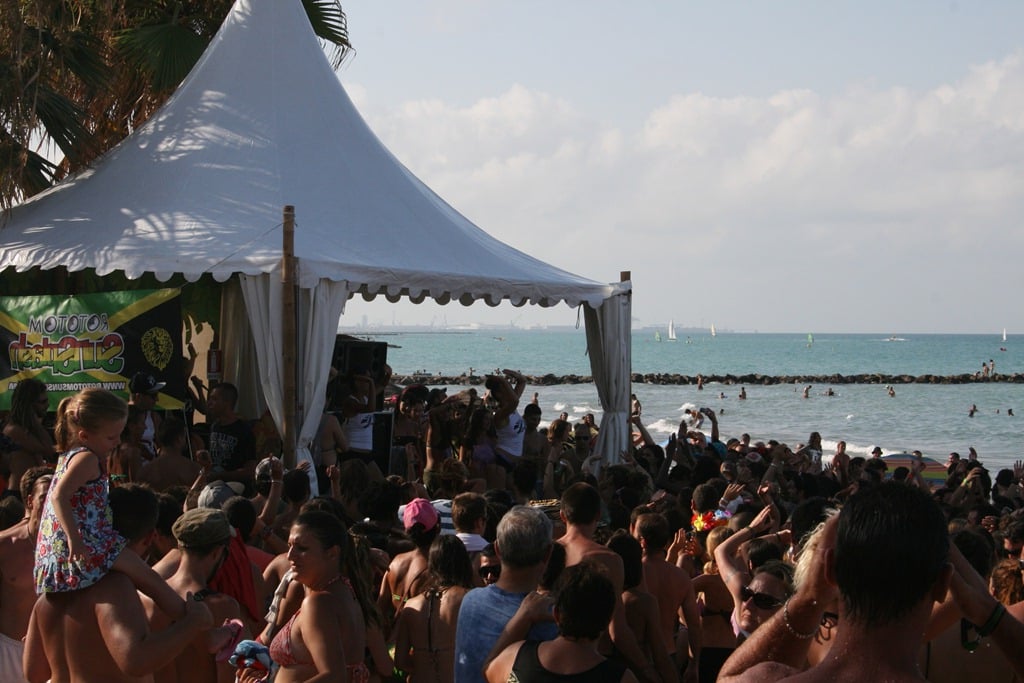
The audience at Hammersmith was a melting pot of Caribbean immigrants, white middle-class youth, punks, and rock fans—an eclectic crowd that challenged Marley and his band to deliver a performance that transcended cultural boundaries. The previous year’s Lyceum shows had already made reggae a staple on the UK charts, but these Hammersmith concerts pushed reggae into new social spaces. Marley’s ability to connect with both Caribbean diaspora and newcomers helped solidify his reputation as a global icon, and the recordings capture that unique energy. Further reporting is in Bob Marley's Legendary Hammersmith Odeon Concert.
The live album, released by Island Records on August 28, 2026, includes a dynamic setlist that ranges from classics like 'Get Up, Stand Up' and 'No Woman, No Cry' to deeper cuts like 'Roots, Rock, Reggae' and 'Rat Race.' The performances are marked by Marley’s improvisational lyrics and a band that’s more fluid and jam-oriented than in studio recordings. According to Bob Marley's Legendary Hammersmith Odeon Concert, the recording quality is slightly muffled, but the emotional weight of the performance shines through, making it feel more authentic than some of the earlier bootlegs and radio recordings circulating from that period.
The concert’s significance isn’t only musical but cultural. As YouTube music historian Helmut Philipps notes, these shows were more than just live performances—they were a spiritual checkpoint for many, especially Black Britons, who saw Marley as a symbol of dignity and resilience. The concerts also reflected Marley’s intent to communicate unity and resistance through music, a message that still resonates decades later.
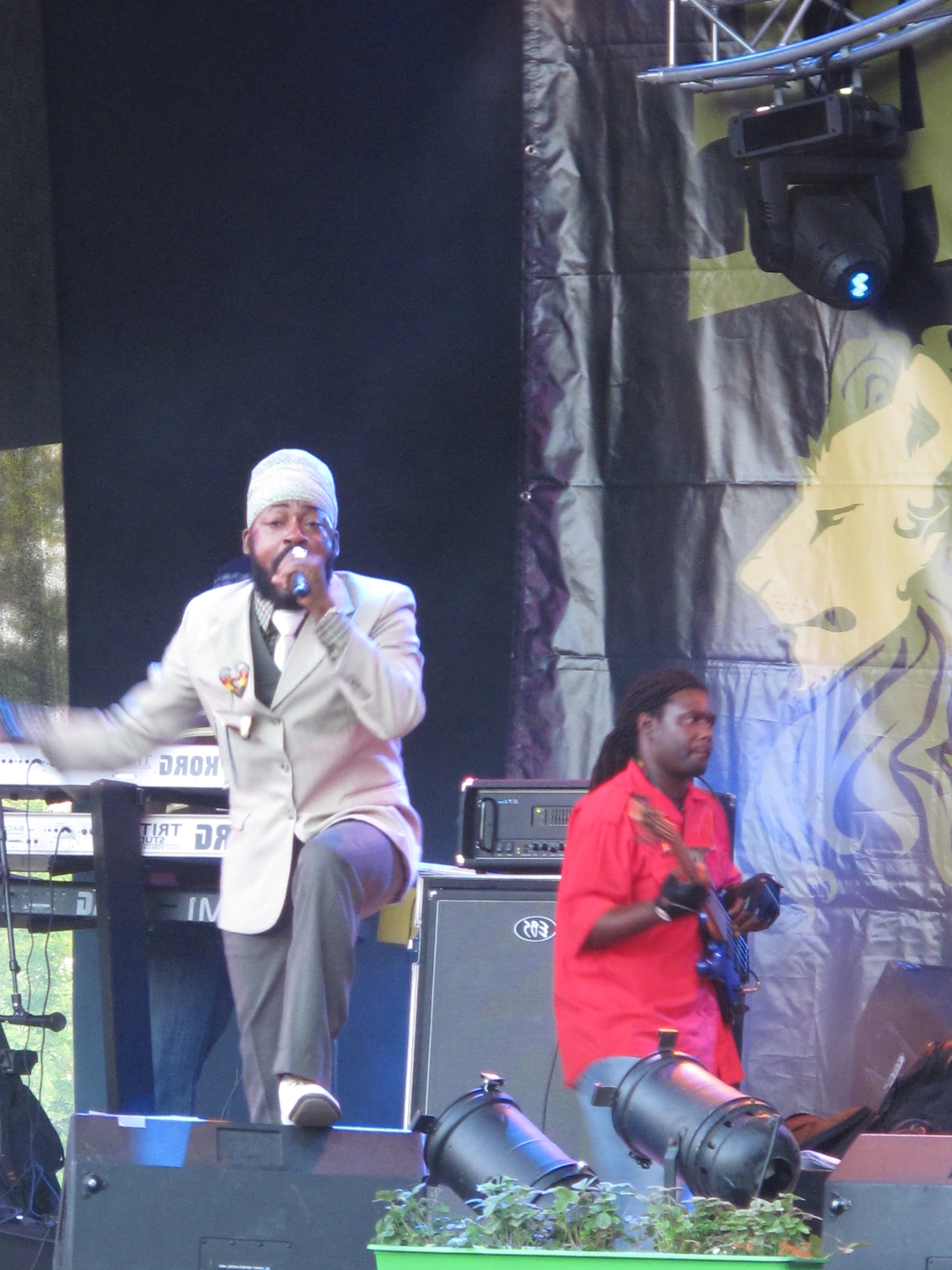
A video of one of these legendary performances isn’t available in this release, but the album’s liner notes feature insights from filmmaker Don Letts, who attended these shows as a young fan. Letts describes Marley’s music crossing borders and connecting communities in a way that made many feel part of something bigger. The release of this concert now offers fans a chance to experience that historic energy firsthand, capturing a moment when reggae’s roots and its revolutionary spirit took center stage in London.
The release comes in multiple formats—digital, double CD, double LP, and vinyl—allowing new generations and collectors alike to experience Marley’s live magic. Tracks like 'War,' 'No More Trouble,' and 'Want More' highlight Marley’s lyrical activism, while extended jams demonstrate the band’s musical prowess. This concert recording isn’t just another live album; it’s a vital document of reggae’s global expansion during its most vibrant era.
As the reggae world celebrates this historic release, it’s clear that Bob Marley’s 1976 Hammersmith Odeon shows remain a testament to his enduring influence and the universal power of his message. Nearly half a century later, these recordings remind us why Marley continues to inspire and why his live performances are etched into the history of music’s most impactful moments.
1 Yard chat
OneLoveSound
Bob Marley & di Wailers at Hammersmith—live and raw, di legend still a shine bright inna di heart!