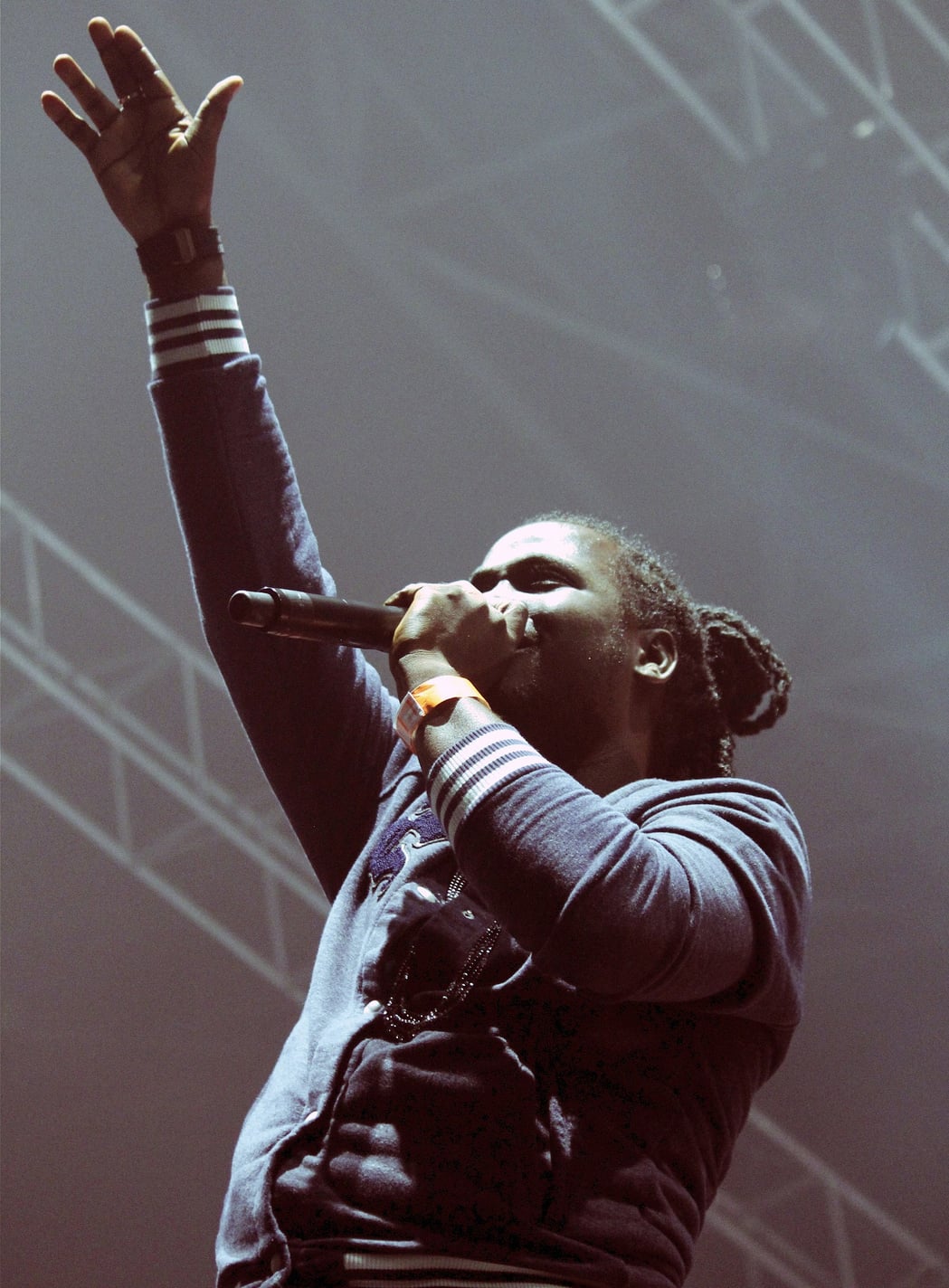
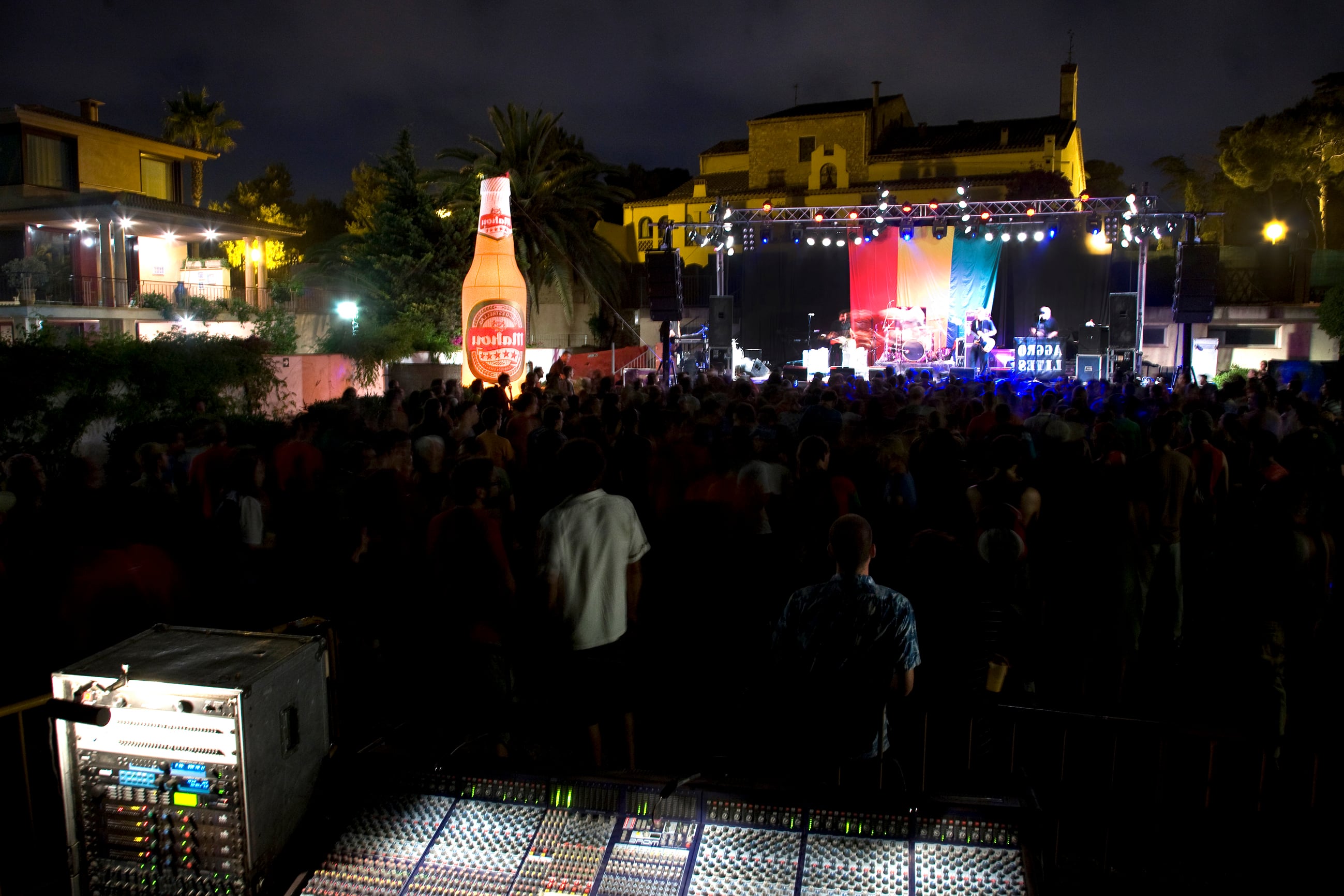
The 32nd Reggae Jam returned to Bersenbrück with roots reggae, dancehall and a strong sense of community. Alongside the music, the festival made room for debate around representation and a moving tribute to Fantan Mojah.
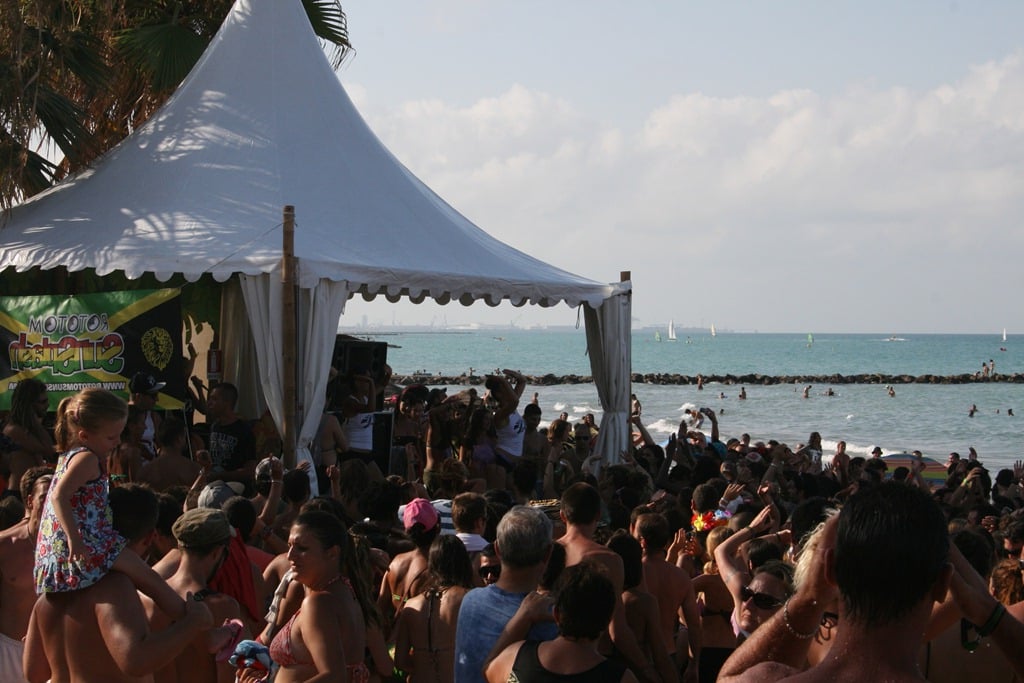
The 32nd Reggae Jam opened in Bersenbrück on July 23 with the familiar pull of the Roots Camp, fresh festival infrastructure and a crowd settling into the northern German summer. New lockers gave visitors a place to secure valuables, while awareness teams in bright pink vests moved through the grounds. The Afro House Stage took up a position behind the bridge, and the Riverside Disco returned to its riverside setting. Those changes did not rewrite the festival’s character; they added practical touches around a layout still built for music, movement and conversation.
The Roots Camp remained the emotional centre of the weekend. Wooden structures, ital food stalls and a lively children’s area gave the space a village-like rhythm, while sound systems including Roots Plague and Zion Garden kept deep roots reggae and dancehall in the air. The opening night also put women artists at the front of the programme, with Nupah, Judy, L’Aurora and Ina Iration each contributing to the stage’s energy. Their performances set an early tone of musical range before a late live session drew people together in song.
Friday brought a practical obstacle when the train station closed, complicating arrivals for some visitors. Inside the festival grounds, however, the response was less disruption than improvisation: campers and guests put up tents while soca marchers and dancehall selectors supplied the soundtrack. The Dancehall section then opened with Sun Fire Sound, Hyperjabtive Soundcrew and DJ Dommi Fyah. DJ Dommi Fyah helped drive the crowd through riddims including Hill & Gully and WYFL, giving the section a loud, immediate start rather than a cautious introduction.
One of the weekend’s most talked-about objects was not a performer but a four-metre stage installation. It showed a female dancer doing a headtop, with a rotating mechanized backside and the title “Woman at Twerk.” The piece was presented as humour, but online discussion questioned its treatment of representation and cultural sensitivity. That response became part of the festival’s wider conversation. Reggae Jam has always carried more than a party atmosphere, and this installation showed how quickly questions about gender, culture and audience expectations can enter the space around the music.
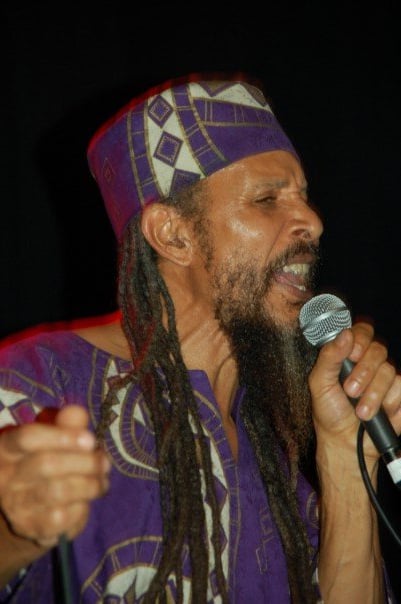
The weekend also carried the weight of Fantan Mojah’s absence. Sheriff’s Soundpatrol and MC Tommy led a tribute, speaking to the loss before surprise appearances from Teacha Dee, King Kong, Echo Minott and Chezidek brought different parts of Mojah’s musical legacy into the moment. The tribute did not try to smooth over the sadness. Instead, it allowed remembrance to sit alongside sound-system energy, with the artists and crowd acknowledging what had been lost while returning to the music that made Mojah’s influence endure.
Founder Bernd Lagemann and the festival team framed the tribute within a weekend shaped by roots, resistance and community. Reggae Jam 2026 did not separate celebration from social conversation: the Roots Camp encouraged connection, the Dancehall section kept the grounds moving, and the debate around the “Woman at Twerk” installation exposed tensions that festivals cannot simply decorate away. By the close of the Bersenbrück gathering, the strongest impression was of a reggae event still willing to hold joy, grief and disagreement in the same space.
1 Yard chat
DubMasterG
Bersenbrück vibes strong, we keep the culture alive and proud.