Linton Kwesi Johnson traces his dub poetry back to Jamaica, Brixton sound system culture and the political realities of Black Britain. He also revisits the creative partnership with Dennis Bovell that gave his writing its lasting reggae weight.
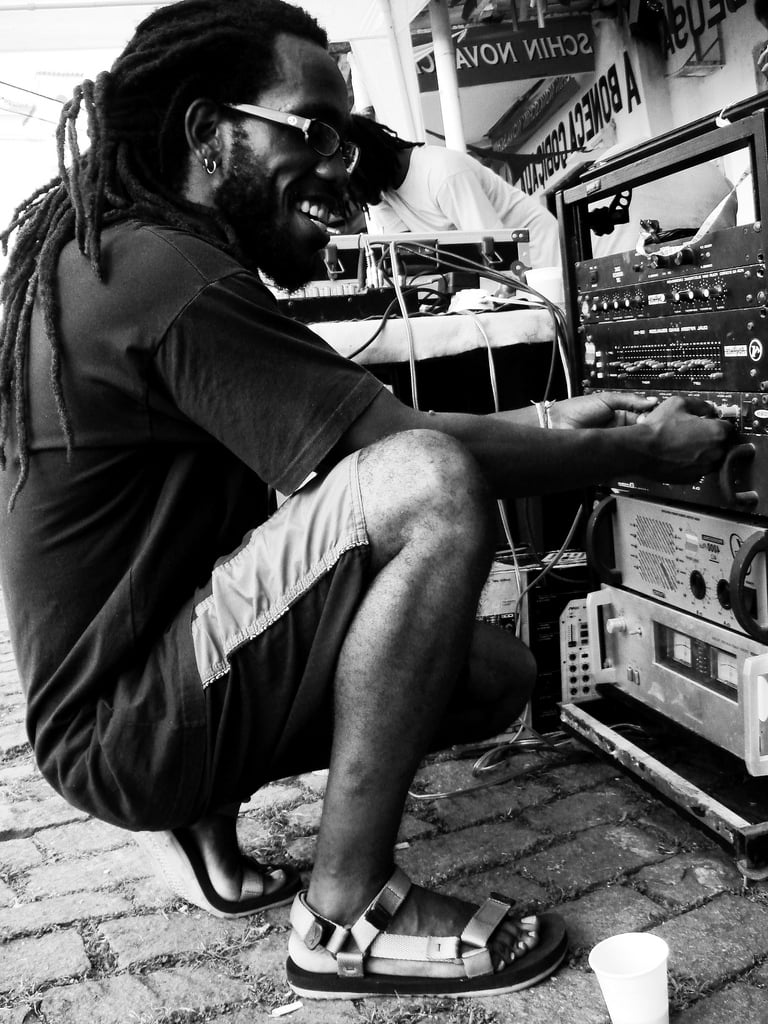
Linton Kwesi Johnson’s writing has always carried the pressure of lived experience. His poems document racism, displacement and the Black British struggle without softening their edges, while the music gives those observations a steady, physical force. In a reflection on his roots and career, Johnson looks back at the culture that shaped him and the partnership that helped define dub poetry. The result is a portrait of an artist who treated reggae not as decoration for spoken word, but as a language capable of carrying history, anger and collective memory.
Johnson moved from Jamaica to Britain in 1963 and grew up in Brixton, where London’s sound system culture became an important part of his education. Those sessions offered more than a night out. They created a space where Caribbean identity could be heard and defended at a time when Black young people faced open hostility and exclusion. Johnson points to the influence of sound systems associated with figures such as U-Roy, recognising how the selector, rhythm and microphone could turn music into a form of cultural resistance.
Although he admired the quick-thinking DJs who worked the microphone, Johnson says he never tried to copy their toasting style. He felt his strengths were elsewhere: in writing, shaping an argument and delivering lines with deliberate force. That distinction helped make his work sound different from conventional deejay music. The words were not improvised boasts or party patter. They were tightly constructed accounts of social conditions, set against rhythms that allowed the message to move through a room with the insistence of a sound system session.

His creative relationship with Dennis Bovell grew out of the London reggae scene and mutual respect. Johnson brought poems to the collaboration, while Bovell found the musical shape that could support their cadence and emotional weight. The producer’s instinct for bass, rhythm and atmosphere became central to the sound associated with Johnson’s early work. Together, they established a method in which the music did not overwhelm the poem. Instead, dub’s space and repetition gave the language room to land, echo and stay with the listener.
That approach was already clear on Johnson’s 1978 debut, Dread Beat an’ Blood, an album that placed political poetry inside a reggae framework without reducing either form. Later records including Forces of Victory and Bass Culture expanded the reach of the work. Their importance came from the way they connected personal testimony to wider Black British realities, while remaining rooted in Jamaican musical traditions. Johnson’s poems could travel across the Atlantic because the issues were specific, but the feeling of confrontation, survival and pride was widely recognisable.
Johnson’s reflections underline why dub poetry continues to matter. The form joined the written word to bass culture, but its deeper achievement was political: it made everyday Black experience impossible to ignore. His partnership with Bovell gave that testimony a durable musical architecture, while Brixton’s sound systems supplied an early lesson in the power of collective listening. Decades after those first records, Johnson’s work still stands as a reminder that reggae can carry analysis as strongly as it carries groove, and that a measured voice can hit with lasting force.