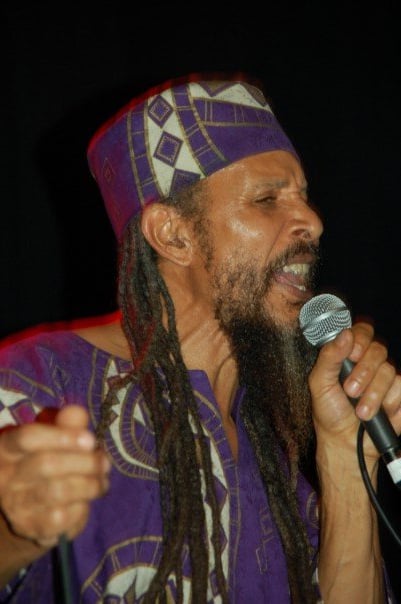
Jamaican reggae and dancehall veteran Cleve “Lt. Stitchie” Laing has died in Kingston at 60, following health complications after a stroke two years ago. His career moved from sound-system dancehall to gospel, carrying his sharp delivery and faith-led message across generations.
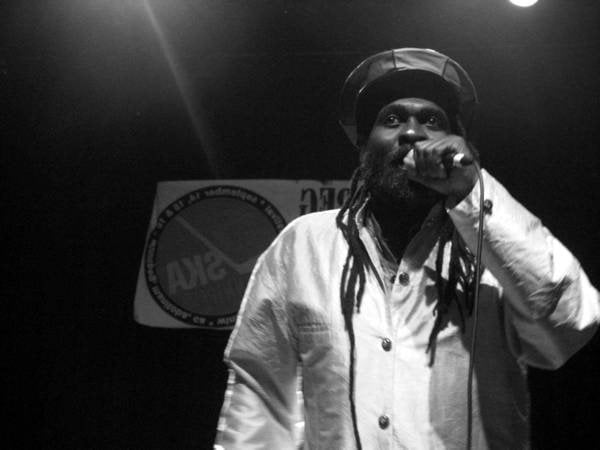
Cleve “Lt. Stitchie” Laing, the Jamaican artist who built a career across dancehall, reggae and gospel, has died at 60. He passed away in Kingston on September 28, one day before his 61st birthday, after dealing with health problems linked to a stroke suffered two years earlier. His death closes a long, unconventional run in Jamaican music, one that took him from sound-system deejay to a respected voice in gospel and social commentary. News of his passing has brought condolences from artists, fans and members of the wider music community.
Stitchie first made his name through energetic deejay performances and lyrics that could move between humour, observation and direct social commentary. That early dancehall identity remained central to his reputation, even as his music took a more openly spiritual direction. Rather than treating gospel as a clean break from his earlier work, he carried the timing, vocal attack and stage instinct of a dancehall veteran into songs shaped by faith. That combination helped him reach listeners who knew him from both sides of Jamaica’s musical conversation.
His crossover mattered because Stitchie did not approach gospel as a retreat from popular Jamaican music. He brought the language and performance energy of the dancehall to messages of hope, conviction and personal change. Songs such as “Ambition” remain part of the catalogue associated with his earlier impact, while his gospel recordings deepened the spiritual dimension of his public work. Across those phases, he kept a recognizable presence: animated, lyrically alert and willing to speak plainly about the world around him.
Tributes from Bounty Killer and Tarrus Riley have underlined Stitchie’s importance to reggae and dancehall history. Their responses point to an artist who helped make the path between secular dancehall and gospel more visible for those who followed. His influence was not limited to recordings. He was also remembered for his character away from the microphone, with fellow musicians and associates describing his humour, generosity and commitment to the people around him. Those personal memories now sit alongside the larger account of his contribution to Jamaican music.
A family statement acknowledged the support Stitchie received during his illness and described the positive effect he had on others. One account of his final years also shared memories from Jerome Hamilton, who recalled travelling with Stitchie and the energy he brought to their university days. Munchy and Donna P. Hope were likewise cited among those reflecting on his talent and dedication in the studio and onstage. Taken together, the recollections describe more than a performer: they remember a lively, spiritually grounded presence whose reach extended beyond the records.
Lieutenant Stitchie leaves behind a body of work that continues to connect dancehall’s expressive force with gospel’s insistence on faith and renewal. His death marks the end of a distinctive chapter, but not the disappearance of his voice. The recordings, the testimony of fellow artists and the memories shared by those who knew him preserve an artist who refused to be confined to one lane. In Jamaica’s music history, Stitchie’s legacy will rest in that breadth: deejay, commentator, gospel artist and bridge between communities.