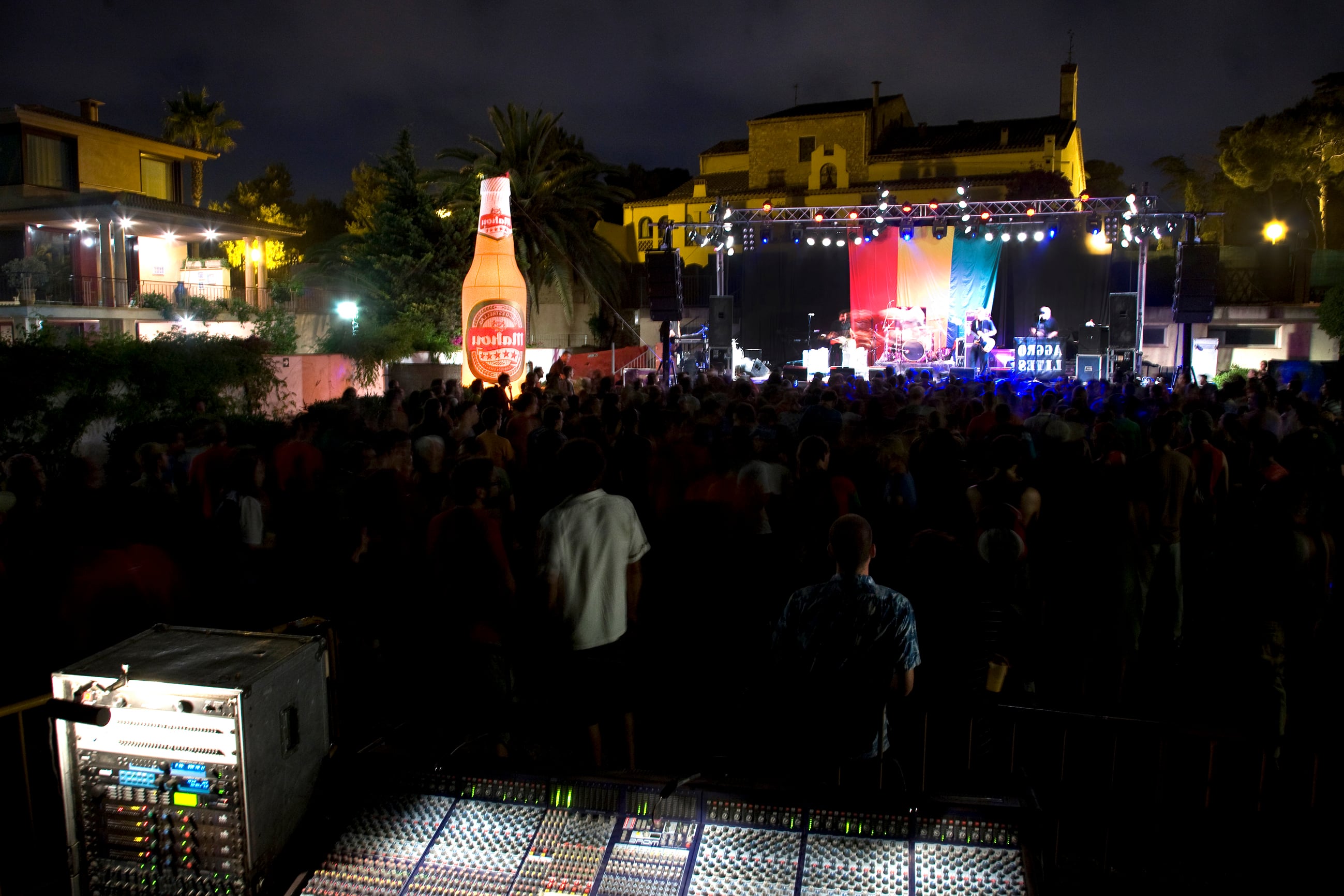
Burning Spear turned TivoliVredenburg in Utrecht into a meeting point for generations of roots reggae listeners. His set drew on enduring songs, spiritual conviction and a sound that remains firmly connected to Jamaica’s cultural ground.
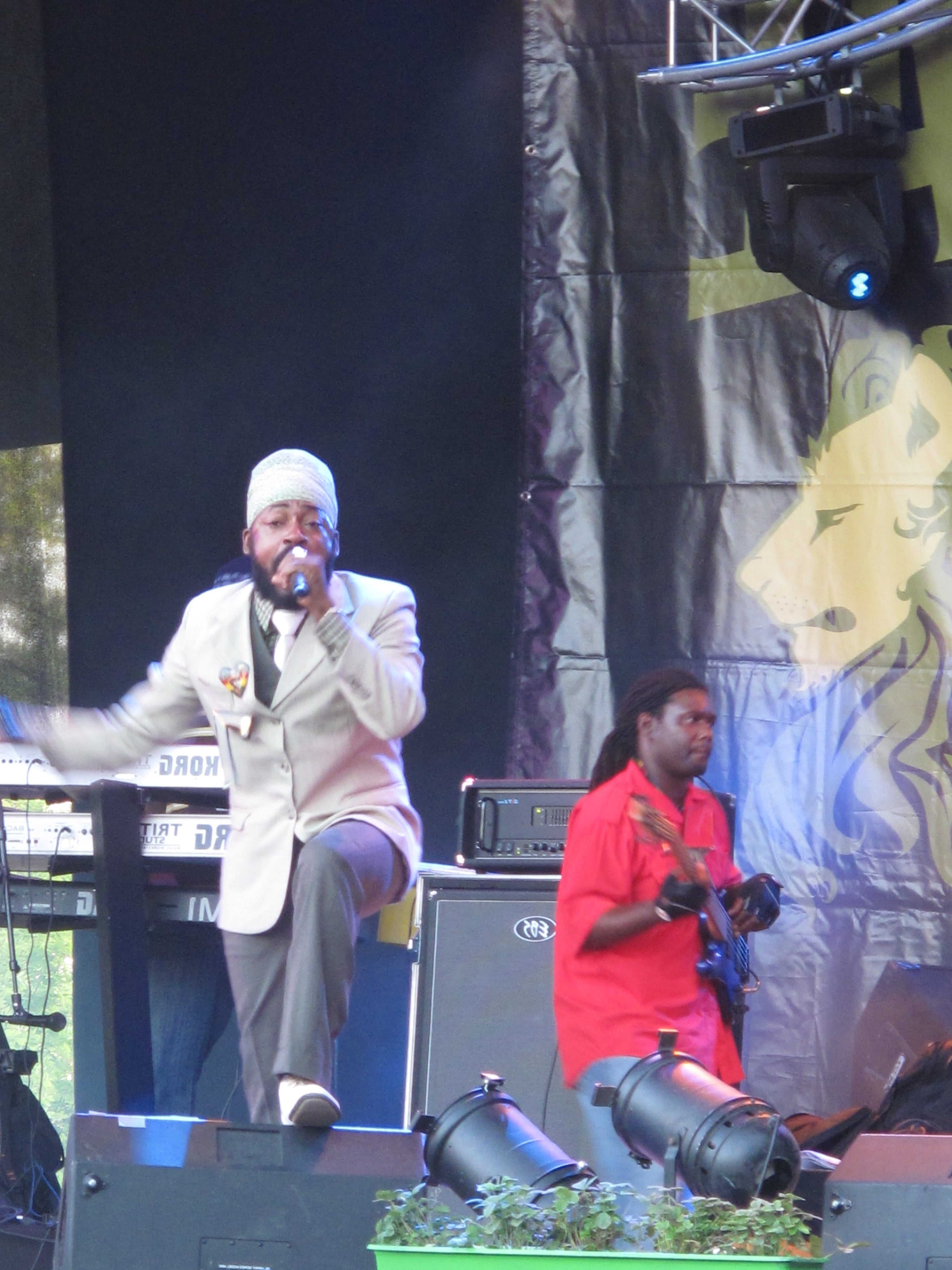
Burning Spear brought the full weight of roots reggae to TivoliVredenburg in Utrecht, Netherlands, where the veteran singer delivered a set built on history without sounding trapped in it. Born Winston Rodney, the artist carried himself with the authority of someone whose music has travelled far beyond its original moment. The room responded to that presence, with longtime supporters and newer listeners drawn into the same steady current. Rather than chasing spectacle, the performance relied on voice, message and the deep rhythmic pull that has defined Burning Spear’s work for decades.
The repertoire reached into the catalogue that made Burning Spear a central figure in roots music. “Marcus Garvey” and “Jah Is Real” were among the songs heard during the performance, bringing questions of Black empowerment, faith and social responsibility into the room. Those themes were not presented as museum pieces. They landed with the directness that has always given Rodney’s music its force, while the band maintained a warm, disciplined groove underneath him. The result was a set that connected the political and spiritual foundations of roots reggae to a present-day audience.
Utrecht’s crowd was not simply watching from a distance. Listeners sang along, answered the band’s energy and stayed engaged as the performance moved through Burning Spear’s long musical history. That exchange gave the night a communal character, closer to a shared roots gathering than a routine stop on a touring schedule. The music left space for reflection, but it also carried enough momentum to keep the venue alive. For fans who came looking for authenticity, the show offered it in the form of songs, rhythm and a message that has not lost its edge.

Photographer Celine Diels captured the Utrecht appearance, including Burning Spear’s commanding stage presence and the audience’s response. Her images show an artist whose authority comes less from grand gestures than from the history carried in his voice and performance. They also document the intimacy of the room, where the connection between stage and floor remained visible throughout the night. The photographs place the concert within a larger story: roots reggae continues to move across borders while retaining the cultural memory and resistance at its centre.
Burning Spear’s Utrecht performance made a straightforward point about longevity. A catalogue rooted in Jamaica’s liberation history can still speak clearly in a European concert hall when the delivery remains focused and the band respects the weight of the material. The night offered no need for trend-chasing or reinvention for its own sake. It stood on a stronger foundation: songs with purpose, a seasoned voice and an audience willing to listen. In Utrecht, the roots were not treated as nostalgia. They were present, active and still capable of bringing people together.