Booba Starr’s October 6 release takes a firm stand for roots reggae, pairing a gritty vocal with a message about staying true under industry pressure. Its accompanying visual keeps the focus on music, crew and community.

Booba Starr comes back with “Nothing To Prove,” a roots reggae statement built around self-belief rather than industry approval. Released on October 6, 2026, the track speaks from the position of an artist refusing to be pulled away from his foundation. The original report on the release describes Starr’s delivery as gritty and direct, with the song framed as a reminder that roots reggae still carries weight in a crowded modern field. There is no attempt to soften the message: the title says exactly where he stands.
The song addresses the pressure artists face when the business rewards quick changes and broad crossover appeal. Starr’s answer, as described in the original report, is that his only real obligation is to remain accountable to himself. That idea places “Nothing To Prove” firmly inside roots reggae’s tradition of resilience, integrity and truth-telling. Rather than presenting reinvention as the goal, the track treats consistency as its strength. The message is familiar, but Starr’s conviction gives it a personal edge and keeps it from reading like a slogan.
Musically, “Nothing To Prove” reportedly works between older roots textures and a cleaner contemporary finish. Vintage-style drum patterns and weighty basslines supply the foundation, while the modern mix gives the vocal room to cut through. That balance matters: the track is not presented as a museum piece, nor does it abandon the sound that informs it. Starr’s roughened tone remains central, carrying the tension between an industry that keeps shifting and an artist determined to hold his ground.
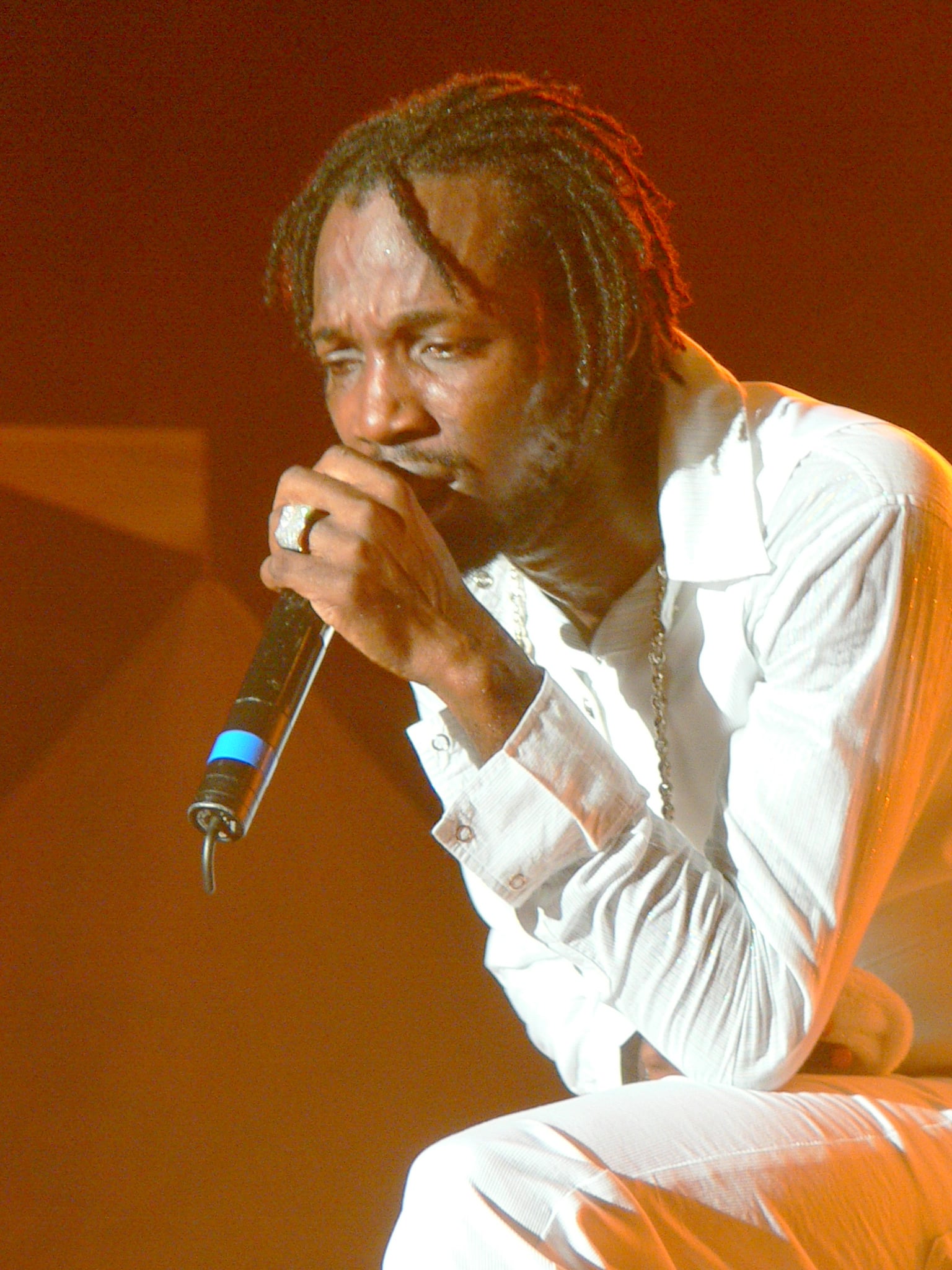
The accompanying video follows the same plainspoken approach. According to the original report, it uses a gritty documentary style, showing Starr with his crew, performing in open-air settings and delivering the song without elaborate distractions. Those scenes reinforce the track’s central position: roots music is sustained by people, place and conviction as much as by studio polish. The visual does not need a large concept to make its point. Starr’s presence, the communal setting and the unfiltered performance provide the necessary frame.
“Nothing To Prove” arrives at a time when dancehall’s commercial reach often dominates attention, but the release argues that roots reggae remains relevant on its own terms. The original report says the song has begun connecting with fans and critics as a reaffirmation of Starr’s place in the roots scene. Whether that response grows wider will depend on listeners, but the record’s purpose is already clear. Booba Starr is not asking permission to sound like himself; he is using this release to state that the foundation still holds.
For Starr, the track reads less like a return to a trend than a return to the principles that shaped his music. “Nothing To Prove” places resilience ahead of spectacle and substance ahead of easy approval. Its combination of traditional rhythm, current production and a grounded visual gives the release a clear identity without overcomplicating the message. In a reggae landscape that continues to evolve, Booba Starr’s latest statement is simple: roots remain a living language, and he intends to keep speaking it.