After more than a decade of live sessions and singles, Aza Lineage has released her debut album, ‘Rebel Daawta.’ Produced entirely by King Jammy, the project places her voice inside a roots-focused set built on sound-system culture, social commentary and Jamaican musical history.
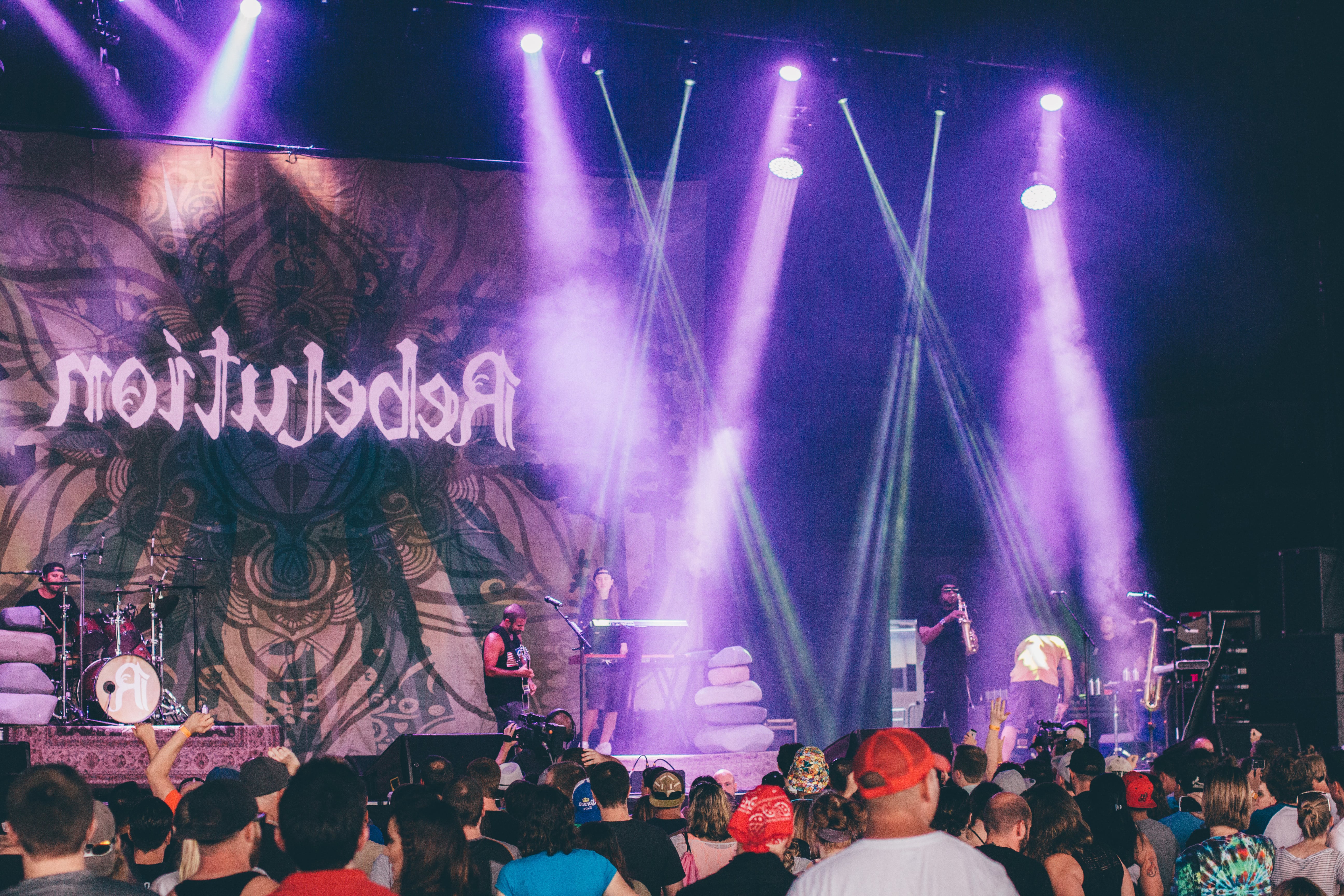
Aza Lineage’s debut album, ‘Rebel Daawta,’ arrives after more than a decade of performing live sessions in Kingston and recording singles including 2019’s ‘Sound System.’ King Jammy handled production across the project, giving the album a consistent roots-reggae foundation while leaving room for Lineage’s direct vocal delivery. Her writing moves between personal conviction, cultural pride and social observation, with Jamaican patois at the centre of songs such as ‘Nuh Wah Talk’ and ‘Fight Fi Mi Love.’
The album opens with ‘Rebels In Town,’ introduced by Lone Ranger and shaped around the spirit of people resisting injustice. That opening sets the tone for a record that looks backward without sounding trapped in the past. The musicians involved include Andre ‘Spyda’ Dennis and I Sax, while Sherida Sharp and Mitch Di Singa supply backing vocals. Together, the players give the sessions a fuller band feel, but Lineage remains the focal point throughout, carrying the material with a firm, unvarnished presence.
‘Sound System’ is one of the album’s clearest bridges between reggae history and Lineage’s own statement. The song revisits a riddim associated with Roland Alphonso and Barry Brown’s 1978 recording, adding horns beneath her declaration that music is her weapon. She also reworks ‘Chikiwawawoi’ and Johnny Osbourne’s ‘A Rub-A-Dub Or Two,’ using familiar foundations to connect her debut with the older Jamaican catalogue. Those choices make ‘Rebel Daawta’ feel rooted in tradition while still allowing Lineage to speak in her own voice.
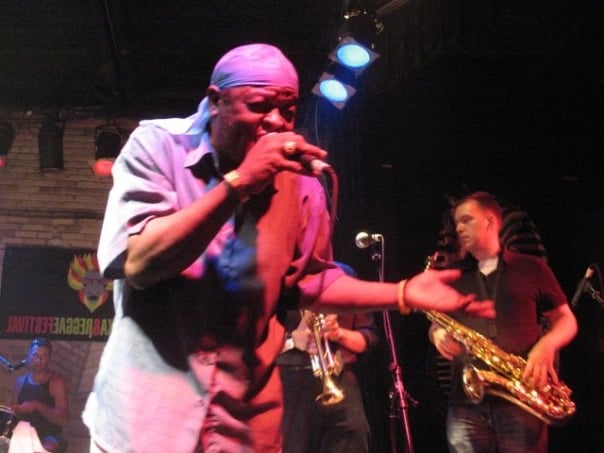
Lineage’s subject matter turns sharply toward identity and social conditions on several tracks. ‘No Vagabond,’ featuring Jesse Royal and Brandon Roots, considers what it means to be a Rastaman through cultural pride and authenticity. On ‘Bad Son,’ she addresses gun violence from a mother’s perspective, while ‘Can’t Live For Yourself’ takes on wider social concerns. The songs give the album more weight than a straightforward showcase of vocal ability, showing an artist interested in consequences, responsibility and the pressures shaping life around her.
The closing track, ‘Rule The Sound,’ returns to Kingston’s sound-system culture with a celebratory finish. A promotional video accompanied the song, which reflects the album’s central balance: respect for reggae’s foundations alongside a clear push from a newer voice. ‘Rebel Daawta’ does not try to hide its influences, and that is part of its strength. With King Jammy’s production behind her, Aza Lineage uses her first full-length project to establish a musical identity grounded in roots, resistance and the living Jamaican tradition.
1 Yard chat
SocaSound
Aza Lineage a step out wid Rebel Daawta, produced by di legendary King Jammy—true roots vibration, seen?
Leave a yard chat
Related on the yard
 NewsKing Jammy Prepares Museum as He Reflects on Six Decades of Reggae and DancehallOctober 26, 2026
 ReleasesTakana Zion’s Few Words Brings Faith, Language and Live Roots Back to the CentreOctober 26, 2026
 ReleasesSylford Walker’s ‘Good Encouragement’ Keeps Roots Reggae’s Positive Current AliveOctober 26, 2026